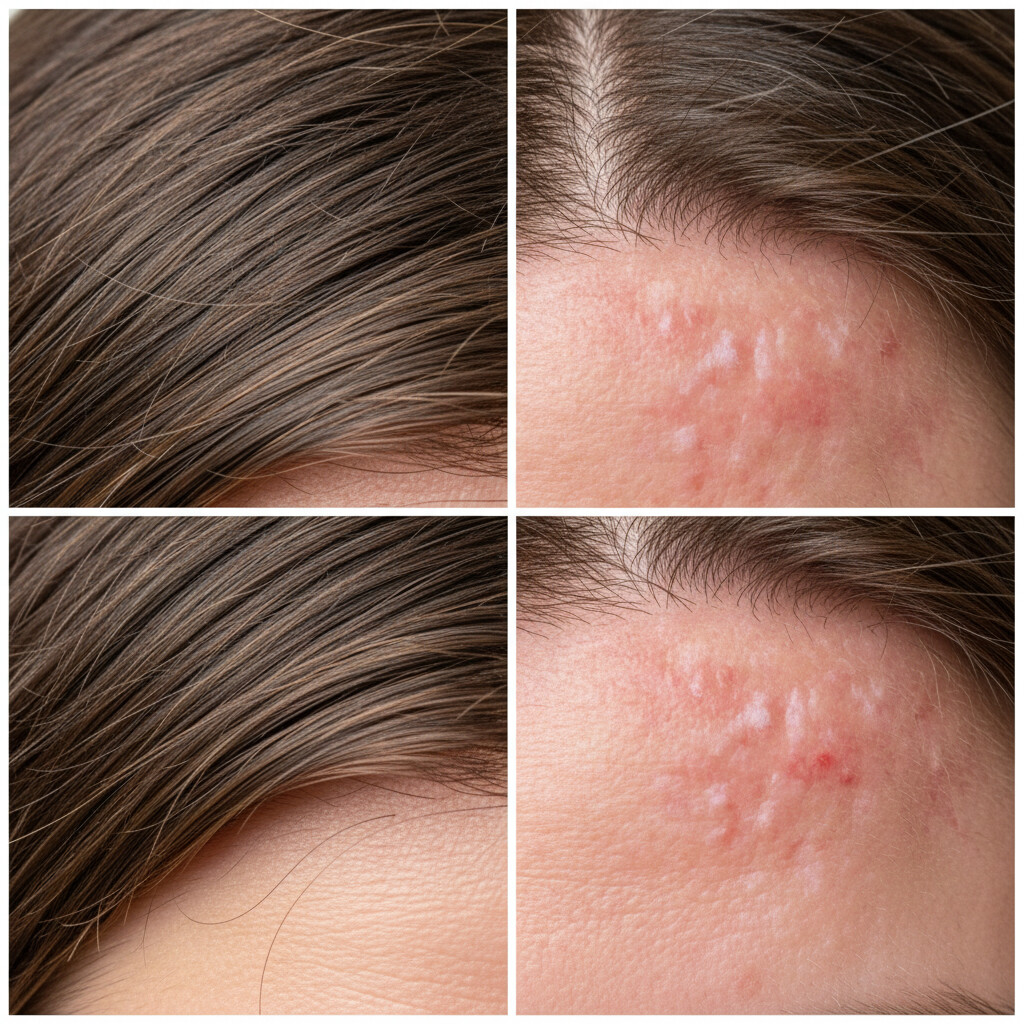
Psoriasis, antidepressants and a history of keloids do not automatically rule out a hair transplant, but each one changes the planning. Scalp psoriasis usually needs to be well controlled before surgery. Most people on antidepressants can have a transplant without stopping their medication. Keloid-prone patients carry the highest risk of the three, and some surgeons will only proceed after a small test session, or not at all. In every case, the decision should involve both your transplant surgeon and the doctor who manages your condition.
Key takeaways
- Active scalp psoriasis is a reason to wait. Surgical trauma can trigger new plaques in the treated areas, so most surgeons want the scalp clear or stable first.
- Antidepressants are rarely a reason to cancel. Never stop them on your own to have surgery; stopping suddenly can cause withdrawal symptoms or a relapse.
- Keloids are the most serious concern. A personal history of keloids, especially on the scalp or neck, needs careful assessment and sometimes a test session.
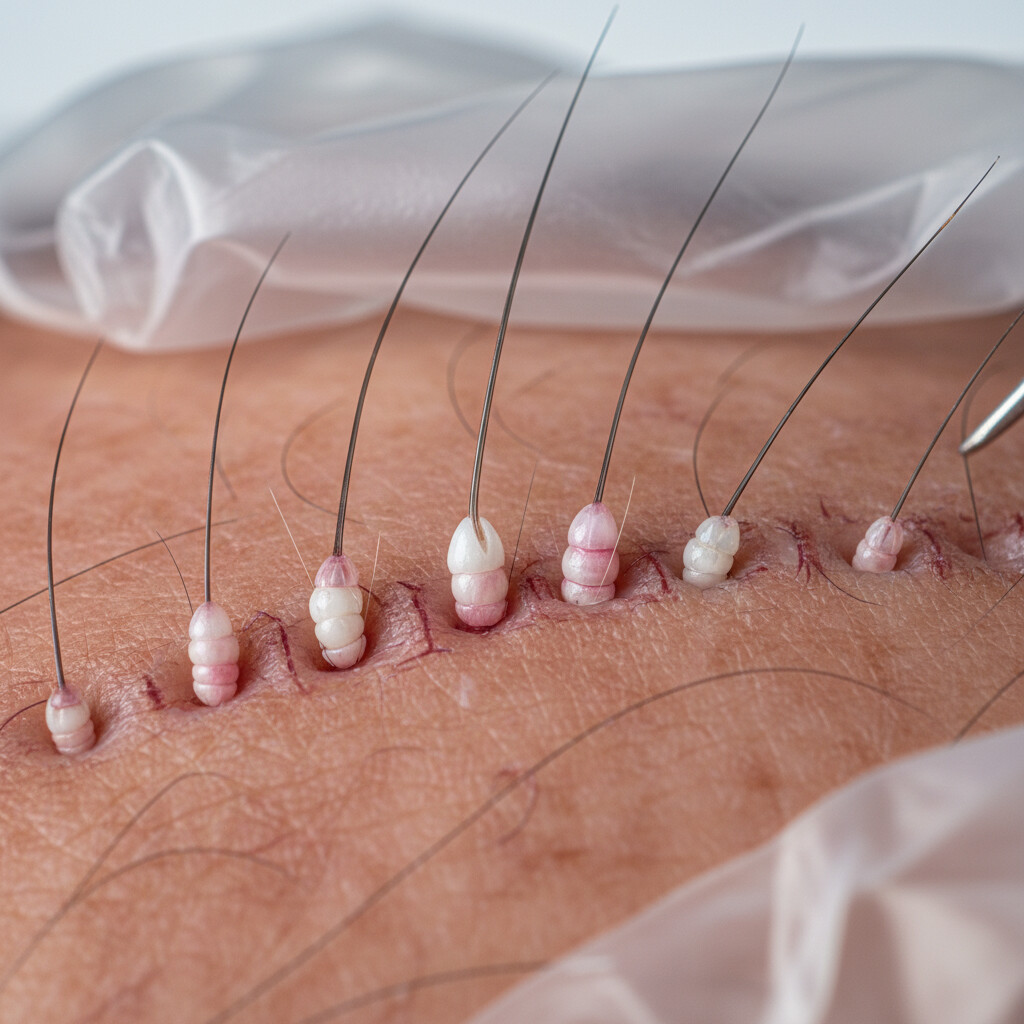
- FUE leaves smaller scars than FUT, but it still makes hundreds or thousands of small wounds. It lowers the risk of a large visible scar; it does not remove the keloid risk.
- Tell the clinic about every diagnosis and every medication, including supplements, at the first contact, not on the day.
Psoriasis and hair transplants
Psoriasis is a long-term immune-mediated skin condition that often affects the scalp, causing red, thickened, scaly patches. It matters for a transplant for three reasons.
Surgery can trigger new plaques. Many people with psoriasis develop new patches where the skin has been injured. This is called the Koebner phenomenon. After a transplant, the donor and recipient areas are full of small wounds, so plaques can appear there during healing.
Inflamed skin heals less predictably. Active plaques, scaling and scratching can make the healing phase more uncomfortable and raise the risk of irritation or infection. Heavy scaling can also make it harder to keep the area clean without disturbing new grafts.
Treatment may need to be timed. Some people use topical treatments, others take systemic medicines such as methotrexate or biologic drugs that affect the immune system. Your dermatologist and surgeon should agree on whether anything needs to be adjusted around surgery. Do not stop or change a prescribed treatment without talking to the doctor who prescribed it.
Who is a reasonable candidate?
People with mild or well-controlled scalp psoriasis are often considered, as long as:
- The scalp is clear or has only minimal, stable patches at the time of surgery.
- The hair loss is genuinely pattern hair loss. Psoriasis flares can cause temporary shedding that usually regrows once the scalp settles, and a transplant is not the answer to that.
- There is a plan to manage a flare after surgery, agreed with your dermatologist.
If it is flaring, expect your surgeon to suggest postponing.
Antidepressants and hair transplants
Being on an antidepressant does not usually disqualify you. The main points to discuss are:
- Bleeding. SSRIs and SNRIs can slightly affect how platelets work. On their own this is usually a minor issue, but the effect adds up if you also take aspirin, anti-inflammatory painkillers or supplements such as fish oil. Your surgeon will look at the full list together.
- Interactions with procedure medication. Sedatives, painkillers and some other drugs used on the day can interact with certain antidepressants. The doctor giving medication during the procedure needs your exact drug and dose.
- Hair shedding. A small number of people notice hair shedding after starting or changing some psychiatric medications. If your thinning started around a medication change, mention it; it may need investigating before a transplant is planned.
Do not stop your medication without advice
Some patients assume they must stop “all medication” before surgery. For antidepressants, stopping suddenly can cause discontinuation symptoms and can bring back the condition being treated. Any change should be agreed between your prescribing doctor and your surgeon. Our guide on medications to temporarily discontinue before surgery explains which drugs are commonly paused and why that decision is always individual.
Emotional readiness
Recovery includes weeks of redness, then shedding of the transplanted hairs, then several months of waiting before new growth shows. For anyone with depression or anxiety, this “ugly duckling” phase can be hard. A stable mood, realistic expectations and a support plan help. If your concern about your hair feels overwhelming or out of proportion, discuss that with your doctor before booking surgery.

Keloids and hair transplants
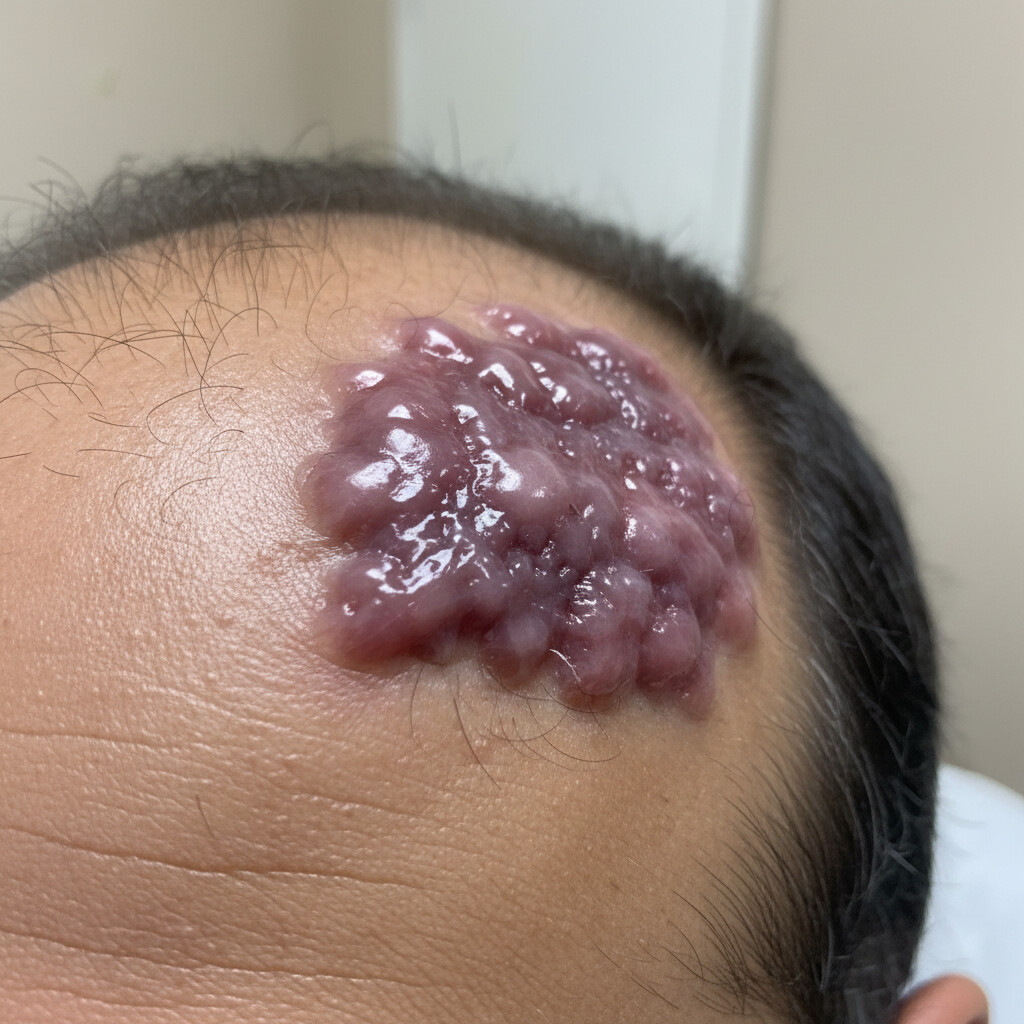
Keloids are raised scars that grow beyond the edges of the original wound. They come from an overactive healing response, tend to run in families and are more common in people with darker skin. They can return after treatment.
A hair transplant creates many small wounds in the donor area and the recipient area, so keloid tendency is a real concern:
- FUT (strip) surgery leaves one long linear scar, which in keloid-prone patients can thicken or widen.
- FUE leaves many small round scars. These are less likely to form one large keloid, but raised scarring around extraction or recipient sites can still happen. See our guide to hair transplant scars.
- The back of the neck is an area where some people, especially men with tightly curled hair, already get bumps and keloid-like scarring. Surgeons tend to be particularly careful there.
It helps to separate keloids from hypertrophic scars. Hypertrophic scars are raised but stay within the wound and often flatten over time. If you have had a raised scar before, ask a dermatologist which type it was.
How surgeons handle a keloid history
Approaches vary between surgeons. Common options include:
- A test session. A small number of grafts is transplanted and the area is watched for several months before any larger procedure.
- Choosing FUE, and avoiding a strip scar.
- Early treatment of any raised scar, for example with steroid injections or silicone products, directed by a doctor.
- Advising against surgery if there is a history of scalp keloids or severe keloids elsewhere. In that case, non-surgical options such as medical treatment or scalp micropigmentation may be safer.
What to prepare before your consultation
- A list of your diagnoses and every medication and supplement, with doses
- A letter or recent notes from your dermatologist or GP, if you have one
- Photos of any past scars, especially raised ones
- Recent blood tests if you have them. Clinics usually also run their own pre-operative lab work.
If you have other long-term conditions as well, our guide on having a hair transplant with a chronic illness covers the wider picture.
When to contact your surgeon
Contact your surgeon, or a local doctor if you are back home, if you notice:
- Spreading redness, warmth, increasing pain, pus or fever, which can be signs of infection
- New thick, scaly plaques in the donor or recipient area
- A scar that becomes raised, firm, itchy or keeps growing in the weeks or months after surgery
- Low mood, anxiety or sleep problems that are getting worse during recovery. Contact the doctor who manages your mental health as well.
Common questions
Can I have a hair transplant during a psoriasis flare?
Most surgeons will advise waiting until the scalp is under control. Operating on actively inflamed skin increases the chance of a difficult recovery and new plaques in the treated areas.
Should I stop my SSRI before surgery?
Usually not. Bring the name and dose to your consultation. Any change should be agreed with the doctor who prescribes it.
I had one raised scar years ago. Am I keloid-prone?
Not necessarily. Many raised scars are hypertrophic scars rather than keloids. A dermatologist can help you tell the difference, and your surgeon may suggest a test session if there is doubt.
Discussion
Have you had a transplant with psoriasis, a history of keloids or while taking antidepressants? Share how your surgeon planned around it and how your healing went. Others in the same situation will find it useful.
Related guides
- Can You Have a Hair Transplant With a Chronic Illness?
- Is FUE Safe for Diabetics? Hair Transplants With Diabetes
- Hepatitis and HIV Tests Before a Hair Transplant: Why They Matter
- Which Medications Should You Stop Before a Hair Transplant?
- Hair Transplant Risks and Complications: What Can Go Wrong?
About this guide: ForumHairTransplant.com is an independent patient community. We are not affiliated with any clinic or surgeon, and we don’t accept payment for rankings, reviews or recommendations. This article is general information, not medical advice. Talk to a qualified doctor about your own situation.