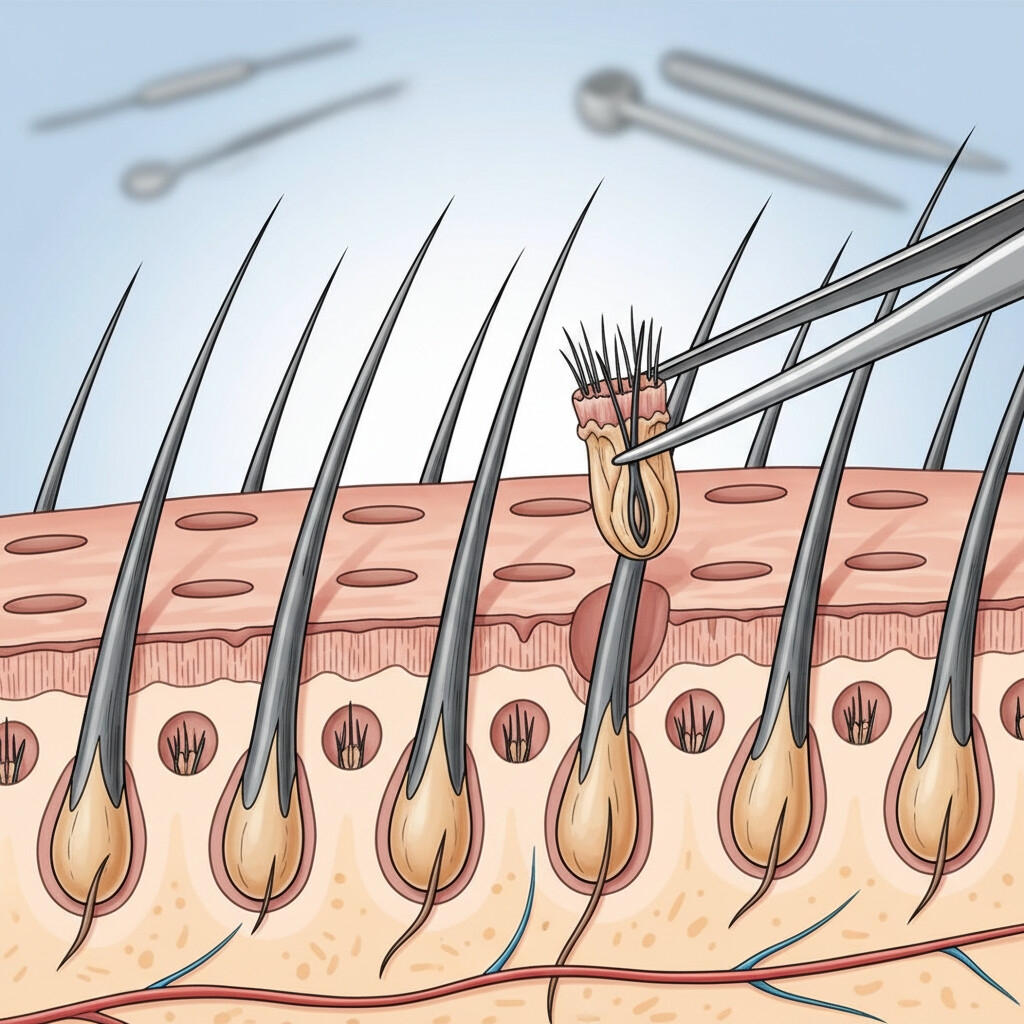
There is no single safe maximum. Most hair transplant sessions move somewhere in the low thousands of grafts, and the right number for you depends on how much your donor area can safely give, how large the thinning area is, and how much hair you are likely to lose in the future. Sessions of 5,000-6,000 grafts are possible in a small group of patients with an exceptional donor area, but they are not the norm, and they carry more risk of over-harvesting and lower graft survival. A bigger number is not automatically a better result.
Key takeaways
- The donor area is a limited, lifetime supply. The real question is not “how many can be moved today?” but “how many can be moved safely over my whole life?”
- Graft numbers should come from a plan: your donor density, the size of the area, and your likely future hair loss.
- Very large sessions increase the risk of a thinned, see-through donor area, damaged grafts and grafts spending longer outside the body.
- Many patients get a better long-term result from a moderate first session, with donor hair kept in reserve for later.
- Be cautious if a clinic quotes a very high number before anyone has properly assessed your donor area.
What a graft is
A graft is a small unit of tissue containing a natural group of one to several hairs, usually one to four. So 3,000 grafts is more than 3,000 hairs. The average number of hairs per graft varies from person to person, which is why two patients with the same graft count can get different results. The guide to hair grafts and hairs per graft explains this in more detail.
What limits the number of grafts
Your donor area
This is the main limit. The back and sides of the scalp contain hair that is resistant to pattern hair loss, but the supply is finite. Every graft removed is gone from that area for good. A doctor assessing your donor area looks at:
- Density: how many grafts there are per square centimetre.
- Hair calibre and hairs per graft: thick hair and multi-hair grafts give more coverage per graft.
- Size of the safe zone: the area likely to keep its hair for life. Taking grafts from outside it risks moving hair that may later be lost.
- Scalp laxity (for FUT): how much skin can be removed while still closing the wound comfortably.
If too many grafts are taken, the donor area can look thin, patchy or “moth-eaten”, which is hard to correct. See overharvesting in hair restoration.
The recipient area
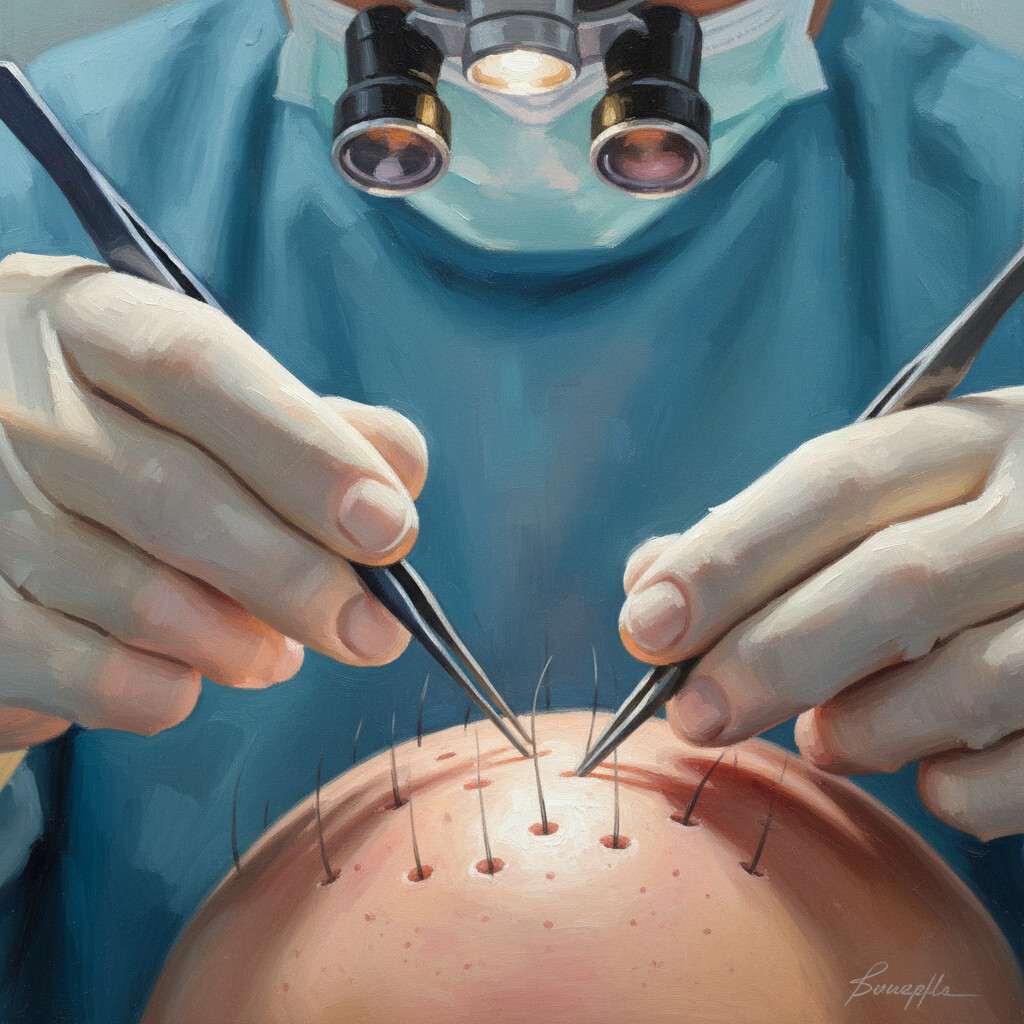
The bigger the area of thinning or baldness, the more grafts you need to cover it. But the aim is a natural look, not maximum density everywhere. A good plan usually puts more density at the front, where it has the most visible effect, and accepts lower density further back. The guide on how dense a hair transplant should be covers this trade-off.
Future hair loss
Younger patients, and those still actively losing hair, usually need a more conservative first session. If a large part of the donor supply is used now, there may be too little left to treat areas that thin later. Medical treatment to slow ongoing loss is often part of the plan; speak to a doctor about whether it is suitable for you.
Technique
- FUE takes grafts one by one, spread across the donor area. Taking a very large number can thin the whole donor area noticeably.
- FUT (strip) removes a strip of skin from the densest part of the donor area. It can yield a large number of grafts in one session without thinning the surrounding hair, but leaves a linear scar and is limited by scalp laxity.
- Some doctors combine the two to reach a larger total. Whether that is right for you depends on your donor area and priorities.
Your health and the length of the day
Large sessions mean long days. Your general health and your ability to tolerate a long procedure are part of the assessment. The guide on how long a hair transplant takes explains how graft number affects the schedule.
Why “up to 6,000 grafts” needs context
Clinics sometimes advertise the largest number they can move in one day. That is a statement about capacity, not a recommendation. Very large sessions can raise several concerns:
- Donor damage. Taking many grafts at once increases the risk of visible donor thinning and scarring.
- More damaged grafts. Fatigue over a long day can increase transection (cutting through follicles) and handling errors.
- Longer time out of the body. Grafts extracted early may wait many hours before implantation. Good storage reduces the risk, but it is still a factor.
- Graft counts that are hard to verify. Patients cannot easily check how many grafts were actually implanted or how many were intact.
The guide on why mega sessions may not be right for you goes into this further.
Who might be suitable for a larger session
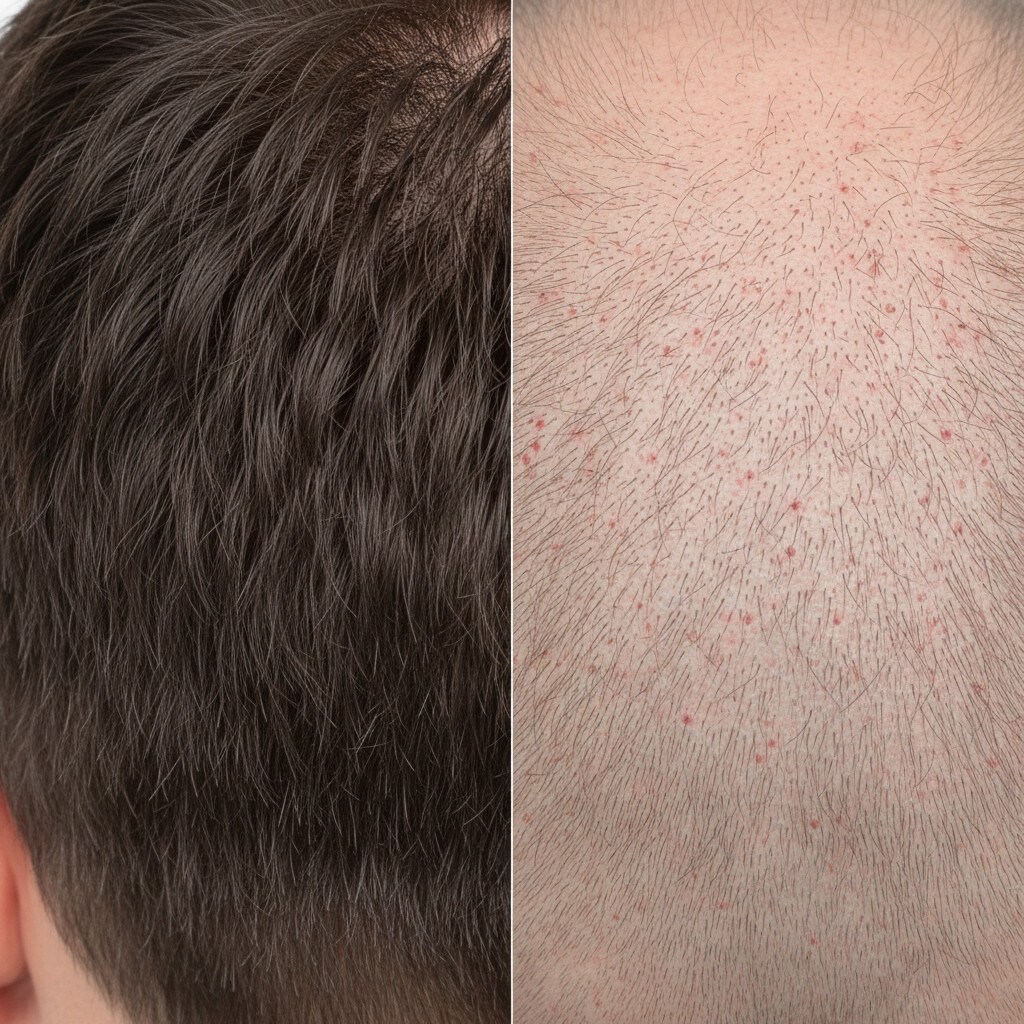
A larger session can be reasonable when several things are true at once:
- Advanced, relatively stable hair loss, often in an older patient whose pattern is clearer.
- A very dense donor area with good hair calibre.
- A doctor and team experienced in large cases, with a clear plan for how the day is organised.
- Good general health.
- A realistic goal: coverage that looks natural, not the density of a teenager.
For many other patients, a moderate session focused on the front, followed by a second procedure later if needed, is safer. See do I need more than one session? and conservative vs aggressive planning.

Questions to ask about your graft number
- How did you arrive at this number, based on my donor density and the area to be treated?
- How many grafts do you estimate my donor area can safely give over my lifetime, and how much will this session use?
- What happens if my hair loss progresses? What will be left for a future session?
- Who does the extraction and implantation, and how is the day organised for this many grafts?
- How will you count and report the grafts implanted?
A doctor who explains the number clearly, and is willing to recommend fewer grafts when that is safer, is usually thinking about your long-term result.
Common questions
Is 3,000 grafts enough?
It depends entirely on the area and your hair. It can be plenty for a hairline and front, and not enough to cover the whole top and crown at high density. Ask how the grafts will be distributed.
Does more grafts always mean more density?
No. Density depends on graft survival, hairs per graft, hair calibre and how the grafts are spread. Poorly placed or damaged grafts add little.
Can I have another session later?
Often yes, if enough donor hair remains. That is one of the main reasons to avoid using too much in the first session. See can donor hair be reused in future sessions?
Discussion
How many grafts did you have, and how did your surgeon decide on the number? If you had a large session, how does your donor area look a year or more later? Real experiences help others judge the quotes they receive.
Related guides
- Hair Grafts Explained: Hairs per Graft, Count and Density
- Donor Area Overharvesting: Signs, Risks and How to Avoid It
- What Is a Hair Transplant Mega Session, and Is It Right for You?
- Does Hair Transplant Technique Affect Long-Term Density?
- Can Donor Hair Be Reused in Future Sessions?
About this guide: ForumHairTransplant.com is an independent patient community. We are not affiliated with any clinic or surgeon, and we don’t accept payment for rankings, reviews or recommendations. This article is general information, not medical advice. Talk to a qualified doctor about your own situation.