
Yes, you can wear a hat after a hair transplant, but timing and fit matter. Many clinics allow a very loose hat that does not touch the grafts in the first days, for example to travel home. A loose cap that rests lightly on the scalp is usually fine from around 7-10 days, and snug caps, beanies and helmets are typically allowed after about 2-4 weeks. Surgeons differ on these timings, so always follow the instructions from your own clinic.
Key takeaways
- In the first week, the problem is not the hat itself but pressure and rubbing on grafts that are not yet anchored.
- If you wear anything early on, it should be loose enough to sit above the recipient area, like a wide bucket hat.
- Put hats on and take them off by lifting straight up. Never drag a hat forward or backward over the hairline.
- A hat is one of the best ways to protect a healing scalp from the sun in the first weeks.
- Wearing a hat does not cause the shedding of transplanted hairs, which is normal in weeks 2-8.
Why hats need care after surgery
After a transplant, each graft sits in a small incision. For the first few days it is held mainly by a clot, and it becomes firmly anchored as the skin heals, usually within about 7-10 days. During this period, friction or pressure can dislodge grafts or disturb the small crusts that form around them.
A hat can cause three problems early on:
- Direct pressure or rubbing on the recipient area, especially from a tight band or a hat being pulled on and off.
- Heat and sweat building up under the fabric, which can irritate a sensitive scalp.
- Hygiene. A hat that is not clean can carry bacteria onto small healing wounds.
This does not mean hats are dangerous. It means the right type, at the right time, worn carefully. Your clinic’s post-operative care instructions should include specific guidance on headwear.

Timeline: when can you wear which hat?
The table below reflects common practice. Your surgeon’s instructions take priority.
| Time after surgery | Type of headwear commonly allowed |
|---|---|
| Days 1-3 | Nothing, or a very loose, clean hat that does not touch the grafts (often given by the clinic for travel) |
| Days 4-7 | A loose bucket hat or oversized cap, placed carefully so it does not press on the recipient area |
| Days 7-14 | A loose baseball cap or soft hat that rests lightly, once grafts are anchored and scabs are coming off |
| Weeks 2-4 | Regular caps and soft beanies, if not tight and the scalp is comfortable |
| After about 4 weeks | Most normal hats; helmets and hard hats often from here, with your surgeon’s approval |
Days 1-3
The grafts are at their most fragile. Most surgeons prefer you to leave the scalp uncovered at home. If you need to go outside, fly home or want privacy, a loose, wide hat that sits on the forehead and sides of the head without touching the grafts is generally accepted. Some clinics provide one. The guide on the first 48 hours explains why this period matters so much.
Days 4-7
Grafts are becoming more secure, but they are not fully anchored. A loose hat for short periods, such as a trip to the pharmacy, is usually fine. Avoid anything with a tight band, and do not wear a hat for many hours in a warm environment.
Days 7-14
By now most grafts are anchored, and the crusts usually loosen with washing. Many surgeons allow a loose baseball cap at this stage. Adjust the strap to its loosest setting and let it sit rather than pulling it down. If you still have scabs, be extra careful when taking the hat off. The guide on scabs after a hair transplant covers how they usually come away.
Weeks 2-4 and beyond
Once the scalp has healed and the scabs are gone, you can gradually return to normal caps and soft beanies. Tighter headwear, including helmets for cycling, motorcycling or work, is usually allowed from around 4 weeks, though some surgeons ask you to wait longer for helmets that press firmly on the scalp.

Choosing the right hat
Good choices in the first weeks
- Bucket hats or wide-brimmed hats that sit on the forehead and around the sides rather than on top of the head.
- Oversized or adjustable baseball caps worn on the loosest setting.
- Soft, breathable fabrics such as cotton or linen, which trap less heat and sweat.
- Hats without rough inner seams, stiff labels or tight elastic bands.
A useful rule: if the hat leaves a mark on your forehead or presses on the top of your head, it is too tight for now.
Hats to avoid early on
- Tight beanies or knitted hats, which press and rub across the whole scalp.
- Fitted (non-adjustable) caps with a snug band.
- Helmets and hard hats, unless your surgeon has approved them.
- Scarves, headbands or hoodies pulled tightly over the head.
- Hats worn by other people or not recently washed.
How to wear a hat safely
- Wash hats before use and keep a couple of clean ones so you can change them.
- Wash your hands before handling the hat or your scalp.
- Lift the hat straight up to take it off. Do not slide it back over the hairline or forward from the crown.
- Take it off indoors to let the scalp breathe, especially if you are warm or sweating.
- Avoid long hours in the heat under a hat, and avoid heavy exercise until your surgeon allows it.
- Keep hats away from the pillow. Do not sleep in a hat unless your clinic has given you a specific loose cap for that.
Hats and sun protection
In the first weeks, the scalp is pink and sensitive, and many surgeons advise against putting sunscreen directly on fresh grafts. A loose hat is often the simplest way to protect the treated area outdoors. Sunburn on a healing scalp can make redness last longer and may cause patchy pigmentation.
Most surgeons advise avoiding strong direct sun on the scalp for at least the first few weeks, and many suggest protecting it for several months. For details, including when sunscreen is usually allowed, see Understanding Sun Exposure After Hair Transplant.
Hats, confidence and going back to work
Many patients want to wear a hat simply to cover redness, scabs or a shaved donor area. That is understandable, and it is usually fine once the early period has passed. Some things to plan for:
- Timing your return to work. If your workplace does not allow hats, you may want more time off. See When Can I Go Back to Work After a Hair Transplant?
- Travelling home. A loose hat at the airport is common. Take it off once seated if it presses on the scalp.
- The “ugly duckling” phase. Transplanted hairs usually shed in weeks 2-8, and the area can look thin until new growth starts around months 3-4. A hat can help you feel more comfortable during this time.
Wearing a hat will not cause this shedding. It is a normal part of the growth cycle. Some people also get shock loss, a temporary loss of native hairs near the operated areas, which is also not caused by hats. The guide on shock loss vs temporary hair loss explains the difference.
Does wearing hats long term damage transplanted hair?
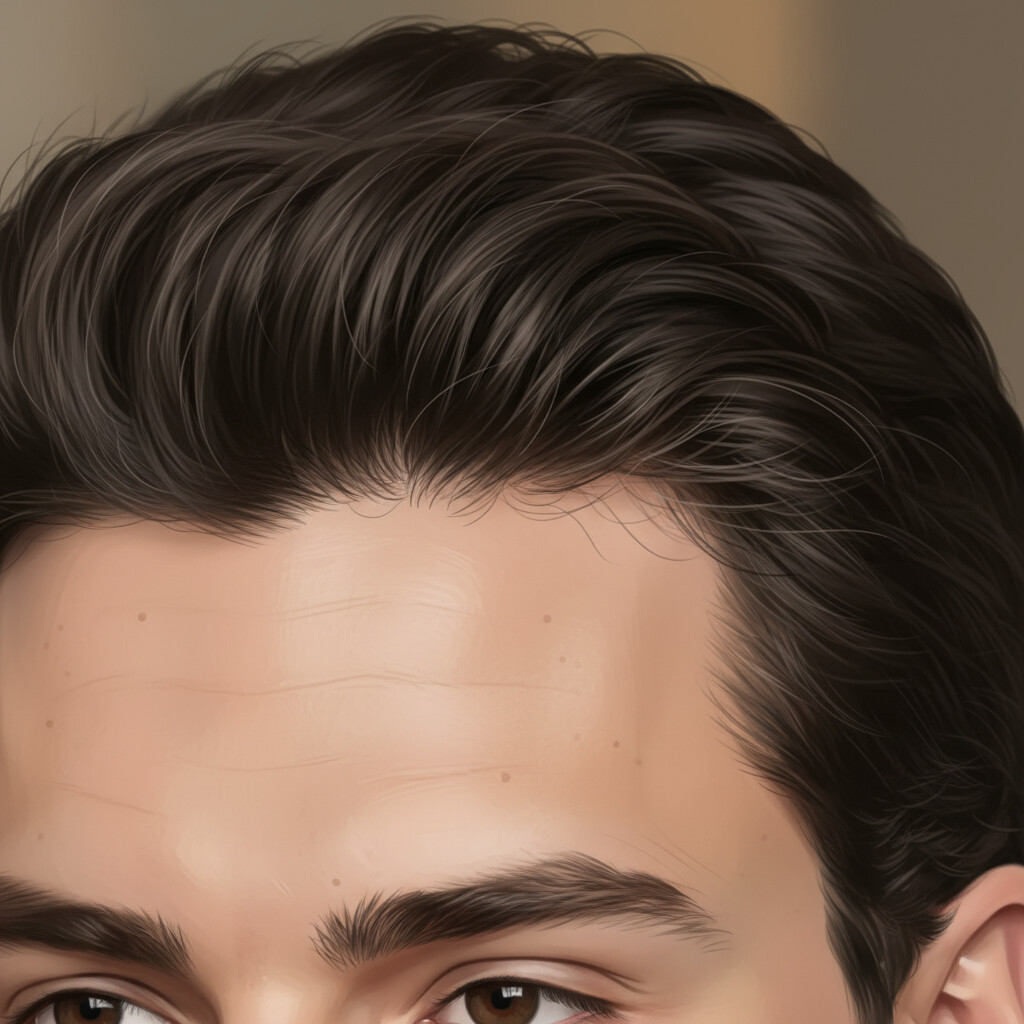
No. Once the scalp has healed, wearing a hat does not harm transplanted or native hair. Transplanted hair is as robust as the hair on the back of your head. The only exception is very tight headwear worn for long hours every day for years, which can contribute to traction-related hair loss at the edges, as with tight hairstyles. Normal hats and caps do not cause baldness.
When to contact your surgeon
Contact your surgeon or clinic if, after wearing a hat, you notice:
- several grafts that appear to have come out, with fresh bleeding at the sites,
- redness, heat, swelling, pus or a bad smell developing in the recipient or donor area,
- painful bumps or spots that keep getting worse,
- fever or feeling unwell.
A few hairs sticking to the inside of a hat after the first couple of weeks is usually normal shedding, not a lost graft.
Common questions
Can I wear a hat on the flight home?
Usually yes, if it is loose and does not press on the grafts. Many clinics provide a suitable hat. Ask before you travel, and take it off once seated if you can.
When can I wear a baseball cap?
Many surgeons allow a loose cap from around 7-10 days, and a normally fitted one after about 2 weeks. Always check with your own clinic.
When can I wear a motorcycle or bike helmet?
Commonly after about 4 weeks, once the scalp is healed. Some surgeons ask you to wait longer. If you need a helmet for work, discuss it before booking your surgery.
Can I wear a hat while swimming?
Swimming itself is usually delayed for a few weeks because of infection risk and chlorine or salt water on healing skin. Once your surgeon allows swimming, a swim cap is generally fine. The swimming guide linked below has typical timings.
Discussion
When did your clinic allow you to wear a hat, and which type did you find most comfortable in the first weeks? If you needed a helmet for work or commuting, share how long you waited and how it went.
Related guides
- Hair Transplant Aftercare: What to Do From Day 1 to Month 12
- Sun Exposure After a Hair Transplant: When Is It Safe?
- Swimming After Hair Transplant: When Can You Dive Back In?
- When Can I Cut or Shave My Transplanted Hair?
- When Can I Dye My Hair After a Hair Transplant?
About this guide: ForumHairTransplant.com is an independent patient community. We are not affiliated with any clinic or surgeon, and we don’t accept payment for rankings, reviews or recommendations. This article is general information, not medical advice. Talk to a qualified doctor about your own situation.